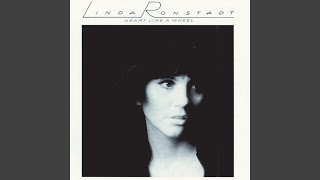
Linda’s storied career was launched in the mid-1960s in Los Angeles, where she and two friends formed the Stone Poneys. Within a short time, they hopped on the Billboard charts with the 1967 hit “Different Drum,” and that song title has aptly described her musical journey. Linda Ronstadt was warned about torpedoing her career in 1980 when she’d had enough of life as “the Queen of Rock” of the 1970s and headed to New York to sing the dazzlingly constructed 19th century pop-operatic songs of Gilbert & Sullivan for theater impresario Joseph Papp. A few years later when she shifted her focus to pre-rock pop standards of the Great American Songbook, and told yet again when she insisted on recording traditional songs of Mexico she grew up loving in her Mexican American family in Tucson, Arizona. Ronstadt moved effortlessly from the folk-rock of the Stone Poneys through Southern California country rock as a solo artist to a hit-after-hit decade in the ’70s during which she became arguably the most important female singer in rock. She was virtually untouchable through a streak of five platinum and multi-platinum albums in the second half of that decade: “Heart Like a Wheel” (1974), “Prisoner in Disguise” (1975), “Hasten Down the Wind” (1976), “Simple Dreams (1977), “Living in the USA” (1978), and “Mad Love (1980), providing the basis for her induction into the Rock and Roll Hall of Fame in 2014, the same year that President Barack Obama presented her the National Medal of Arts.